

Difference Between Excision Surgery and Laser Ablation in Treating Endometriosis
Excision Surgery for Endometriosis
Excision surgery in endometriosis refers to a surgical procedure aimed at removing endometrial tissue and lesions that have grown outside the uterus. It is considered the gold standard surgical approach for treating endometriosis.
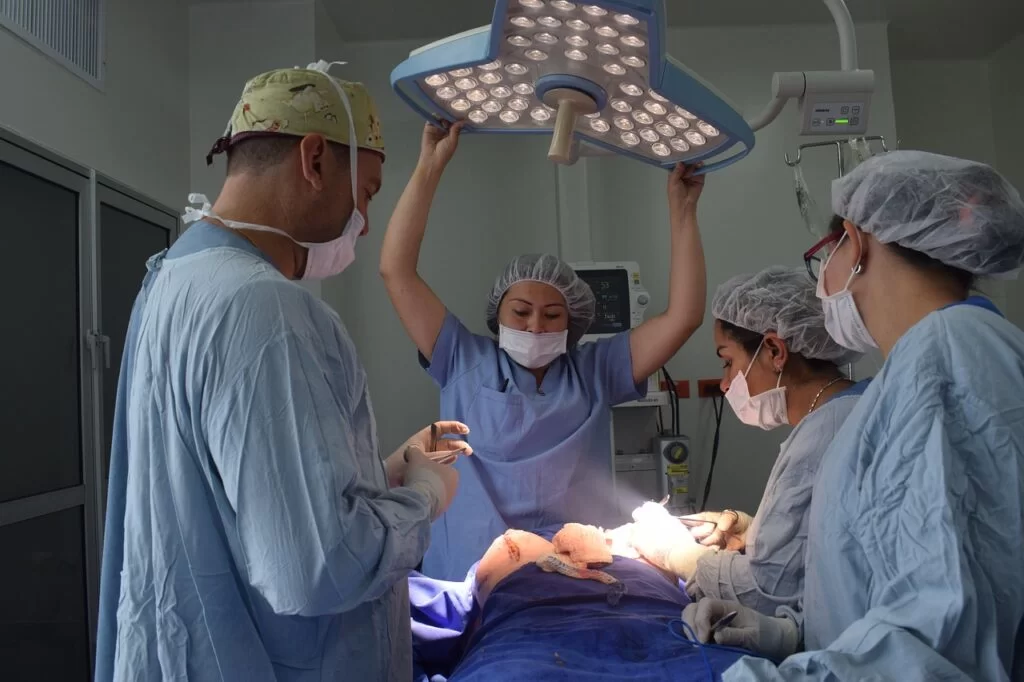
During excision surgery, a skilled surgeon carefully cuts out or excises the abnormal endometrial tissue, including any deep infiltrating or deeply rooted lesions. The procedure is typically performed using minimally invasive techniques such as laparoscopy, which involves making small incisions in the abdominal area and inserting a laparoscope—a thin, lighted tube with a camera—to visualize the pelvic cavity.
The surgeon then uses specialized instruments to identify and excise the endometrial implants, preserving healthy tissue and organs as much as possible. Excision surgery aims to completely remove the endometrial lesions, providing symptom relief and potentially improving fertility outcomes for individuals with endometriosis.
Excision surgery is preferred over other surgical techniques like ablation, which involves burning or vaporizing the lesions. Excision offers a more thorough removal of endometrial tissue and can be beneficial in cases where deep infiltrating lesions or extensive disease is present.
Benefits of Excision Surgery
The benefits of excision surgery over laser ablation in the treatment of endometriosis are significant. Here are some key advantages of excision surgery:
Thorough removal of lesions: Excision surgery involves physically cutting out the endometriotic lesions, ensuring a more complete removal compared to laser ablation, where the lesions are burned or vaporized. Excision surgery allows for precise removal of deep infiltrating or deeply rooted lesions, reducing the likelihood of disease recurrence.
Improved symptom relief: Excision surgery has been shown to provide better and longer-lasting relief from symptoms associated with endometriosis, such as pelvic pain, dysmenorrhea (painful periods), and dyspareunia (pain during intercourse). By completely excising the lesions, excision surgery addresses the underlying cause of the symptoms.
Preservation of healthy tissue: Unlike laser ablation, which involves heating and potentially damaging surrounding healthy tissue, excision surgery aims to preserve as much healthy tissue and organs as possible. This is particularly important for preserving fertility-related structures like the ovaries and fallopian tubes.
Enhanced fertility outcomes: Excision surgery has demonstrated positive effects on fertility outcomes for individuals with endometriosis. By removing endometriotic implants, excision surgery can improve the chances of natural conception and increase the success rates of fertility treatments.
Accurate diagnosis and pathology evaluation: Excision surgery allows for a more accurate diagnosis of endometriosis through tissue biopsy and enables detailed pathological evaluation. This can provide valuable insights into the extent of the disease and help guide further treatment decisions.
It is important to consult with a knowledgeable healthcare professional who specializes in endometriosis to determine the most appropriate surgical approach based on individual circumstances and disease severity.
Laser Ablation for Endometriosis
Laser ablation in endometriosis is a surgical technique used to treat the condition. It involves the use of laser energy to destroy or vaporize the endometriotic lesions that have developed outside the uterus.
During the procedure, a surgeon inserts a laparoscope—a thin, lighted tube with a camera—through small incisions in the abdomen to visualize the pelvic cavity. A laser fiber is then used to apply controlled bursts of laser energy directly onto the endometriotic lesions. The laser energy heats and destroys the abnormal tissue, aiming to remove or reduce the lesions.
Laser ablation is considered a minimally invasive procedure and can be performed as a standalone surgery or in conjunction with other surgical techniques. It is typically used for superficial or shallow endometriotic lesions that are accessible and less invasive to treat.
Compared to excision surgery, laser ablation may have some limitations. It is not as effective in completely removing deep infiltrating or deeply rooted lesions, which can potentially lead to higher rates of disease recurrence. Additionally, there is a risk of thermal damage to surrounding healthy tissue during the laser ablation process.
Unlike excision surgery, laser ablation does not provide a tissue sample for precise pathological evaluation. This may limit the ability to accurately diagnose certain types of endometriosis or identify rare pathologies associated with the condition.
Benefits of Laser Ablation
Laser ablation in endometriosis treatment offers certain benefits over excision surgery. Here are some advantages of laser ablation:
Less invasive procedure: Laser ablation is a minimally invasive procedure that requires smaller incisions compared to excision surgery. This results in reduced scarring, faster recovery time, and less post-operative pain.
Suitable for superficial lesions: Laser ablation is particularly effective for treating superficial or shallow endometriotic lesions that are accessible through laparoscopic visualization. It can effectively target and destroy these lesions without the need for extensive tissue removal.
Preservation of healthy tissue: Laser ablation aims to selectively destroy the endometriotic lesions while preserving surrounding healthy tissue. This can be advantageous when the lesions are located near vital structures such as the ovaries, fallopian tubes, or bowel. Preserving healthy tissue can help maintain organ function and potentially preserve fertility.
Lower risk of complications: Laser ablation carries a lower risk of complications compared to more extensive surgical procedures like excision surgery. The procedure is associated with reduced blood loss, shorter hospital stays, and a lower likelihood of post-operative complications.
Suitable for specific cases: Laser ablation may be a suitable option for individuals with milder cases of endometriosis or when the lesions are limited in depth and extent. It can effectively manage symptoms and provide relief in these cases.
It’s important to note that the choice between laser ablation and excision surgery depends on various factors, including the location and extent of the lesions, severity of symptoms, and individual patient characteristics.
Main Difference Between Laser Ablation and Excision Surgery
The main difference between laser ablation and excision surgery lies in the approach and extent of tissue removal:
- Approach: Laser ablation uses laser energy to destroy or vaporize endometriotic lesions, while excision surgery involves physically cutting out or excising the lesions.
- Tissue removal: Laser ablation primarily targets the surface of the lesions, aiming to destroy the superficial tissue layers. Excision surgery, on the other hand, involves the complete removal of the lesions, including deeper and infiltrating tissue layers.
- Lesion eradication: Laser ablation focuses on destroying or ablating the visible lesions, while excision surgery aims to completely remove the lesions, including any deep infiltrating or deeply rooted endometriosis.
- Recurrence rates: Due to the more thorough removal of lesions, excision surgery generally has lower recurrence rates compared to laser ablation. Excision surgery aims to remove the lesions at their roots, reducing the likelihood of disease recurrence.
- Suitability: Laser ablation is often suitable for individuals with superficial or shallow lesions that are accessible through laparoscopic visualization. Excision surgery is preferred when there are deeper or infiltrating lesions that require complete removal.

What are the Non-surgical Approaches for Managing Endometriosis?
Endometriosis is a condition in which tissue similar to the lining of the uterus grows outside of the uterus, causing pain and discomfort. While surgery is often used to treat endometriosis, there are non-surgical approaches that can be helpful as well.
Here are some options:
- Pain management: Over-the-counter pain medications such as ibuprofen and acetaminophen can help manage pain associated with endometriosis. In some cases, prescription pain medication may be necessary.
- Hormonal therapies: Hormonal therapies such as birth control pills, hormonal IUDs, or progestin-only therapies can help regulate the menstrual cycle and reduce the amount of endometrial tissue that grows outside of the uterus.
- Dietary changes: Some people with endometriosis find that dietary changes can help reduce symptoms. For example, some people report that reducing their intake of red meat and dairy products, and increasing their intake of fruits, vegetables, and omega-3 fatty acids can help.
- Physical therapy: Physical therapy can be useful for people with endometriosis who experience pelvic floor muscle tension or pain. A physical therapist can work with you to develop exercises and stretches that can help alleviate pain and discomfort.
- Mind-body therapies: Mind-body therapies such as meditation, yoga, and acupuncture can help reduce stress and improve overall well-being, which can in turn reduce symptoms of endometriosis.
It’s important to note that these approaches may not work for everyone, and that surgery may be necessary in some cases. If you are experiencing symptoms of endometriosis, it’s important to talk to your healthcare provider about your treatment options.
Hormonal Therapies
Hormonal therapy is a common treatment option for endometriosis. The goal of hormonal therapy is to reduce the production of estrogen in the body, which can help slow the growth and spread of endometrial tissue.
Here are some types of hormonal therapy that may be used to treat endometriosis:
- Combined hormonal contraceptives: Birth control pills, patches, and vaginal rings contain a combination of estrogen and progestin hormones, which can help regulate the menstrual cycle and reduce the growth of endometrial tissue.
- Progestin-only contraceptives: Progestin-only contraceptives, such as the mini-pill, Depo-Provera injection, and progestin-containing intrauterine devices (IUDs), can help reduce the growth of endometrial tissue and alleviate symptoms of endometriosis.
- Gonadotropin-releasing hormone (GnRH) agonists: GnRH agonists are medications that work by reducing the production of estrogen in the body. They are usually given as injections or nasal sprays and can be effective in reducing the growth and spread of endometrial tissue.
- Aromatase inhibitors: Aromatase inhibitors are medications that block the production of estrogen in the body. They are typically used in postmenopausal women who have endometriosis.
It’s important to note that hormonal therapy may have side effects, and it may not be effective for all women with endometriosis. Your healthcare provider can help you determine if hormonal therapy is a good option for you and can help you weigh the potential benefits and risks.
Diet and Nutrition
Omega-3 fatty acids
Omega-3 fatty acids, which are found in fish oil, may be helpful in reducing inflammation and pain associated with endometriosis. Studies have shown that omega-3 fatty acids can help reduce prostaglandin production, which is responsible for the painful menstrual cramps associated with endometriosis.
In addition to reducing pain, omega-3 fatty acids may also improve fertility in women with endometriosis. Endometriosis can cause infertility due to the presence of endometrial tissue outside of the uterus, and omega-3 fatty acids may help improve the quality of the endometrial tissue in the uterus, making it easier for fertilization and implantation to occur.
It’s important to note that while omega-3 fatty acids may be helpful in reducing symptoms of endometriosis, they should not be used as a substitute for medical treatment.
Cucumin
Curcumin is a natural compound found in turmeric, a spice commonly used in Indian and Middle Eastern cuisine. It has been studied for its potential health benefits, including its anti-inflammatory properties. Some studies have suggested that curcumin may be helpful in reducing symptoms of endometriosis.
One study published in the journal Evidence-Based Complementary and Alternative Medicine found that curcumin was effective in reducing pain associated with endometriosis. Another study published in the Journal of Ovarian Research found that curcumin was effective in inhibiting the growth of endometrial cells in vitro.
While these studies suggest that curcumin may be helpful in reducing symptoms of endometriosis, more research is needed to confirm these findings. It’s important to talk to your healthcare provider before taking any supplements, including curcumin, as they may interact with other medications or medical conditions.
Reduce Saturated and Trans Fats
Reducing the intake of saturated and trans fats in the diet may be helpful in managing endometriosis. Studies have shown that a diet high in saturated and trans fats may increase inflammation in the body, which can worsen symptoms of endometriosis.
Saturated fats are found in animal products such as meat and dairy, as well as in some vegetable oils like coconut oil and palm oil. Trans fats are found in processed foods like margarine, fried foods, and baked goods.
Replacing saturated and trans fats with healthy fats such as monounsaturated and polyunsaturated fats can be beneficial for overall health and may help reduce inflammation in the body. Healthy fats are found in foods such as nuts, seeds, avocado, fatty fish, and olive oil.
It’s important to note that dietary changes alone may not be enough to manage endometriosis, and that medical treatment may be necessary.
Vitamin Supplementation for Endometriosis
There is limited research on the effectiveness of vitamin supplementation for the management of endometriosis. However, some studies suggest that certain vitamins may be helpful in reducing symptoms and improving overall health.
Here are some vitamins that have been studied in relation to endometriosis:
Vitamin D: Low levels of vitamin D have been associated with increased inflammation and pain in women with endometriosis. Supplementing with vitamin D may help reduce inflammation and pain associated with endometriosis.
Vitamin E: Vitamin E is an antioxidant that may help reduce inflammation and improve immune function. Some studies suggest that vitamin E supplementation may help reduce pain associated with endometriosis.
Vitamin B6: Vitamin B6 is important for hormone balance and may help regulate the menstrual cycle. Some studies suggest that vitamin B6 supplementation may be helpful in reducing symptoms of endometriosis.
It’s important to note that vitamin supplementation should not be used as a substitute for medical treatment. Additionally, taking high doses of vitamins can have side effects and may interact with other medications or medical conditions, so it’s important to talk to your healthcare provider before starting any supplements.
Physical Therapies
Physical therapy may be a helpful treatment option for women with endometriosis, particularly for those who experience pain during sexual activity or pelvic exams.
Here are some ways that physical therapy may be used to treat endometriosis:
- Pelvic floor muscle therapy: Pelvic floor muscle therapy involves exercises to strengthen the pelvic floor muscles, which can help alleviate pain and improve sexual function. This type of therapy may involve biofeedback to help you learn how to control the pelvic floor muscles.
- Manual therapy: Manual therapy may include massage or manipulation of the pelvic muscles, which can help alleviate pain and improve mobility.
- Exercise: Exercise, particularly low-impact activities like yoga or swimming, can help improve overall fitness and reduce pain associated with endometriosis.
- Education: Physical therapists may provide education on pain management techniques and strategies to improve daily activities and minimize discomfort.
It’s important to note that physical therapy should be used in conjunction with other medical treatments for endometriosis, and that not all women with endometriosis will benefit from physical therapy.
Important Reminder
Endometriosis is a painful and often debilitating inflammatory condition that can greatly impact a woman’s quality of life. However, there are natural remedies and lifestyle changes that can be effective management tools for reducing symptoms and improving overall health with little to no risk.
If you have tried natural remedies and your symptoms have not improved, it is important to seek medical advice from your doctor on the next steps for managing your condition. Don’t let endometriosis go untreated as it can significantly affect your daily life and well-being.
When is Endometriosis Surgery Considered an Emergency?
Endometriosis is a medical condition that continues over time, in which tissue resembling the uterus lining is found outside of the uterus. This tissue is often associated with monthly menstrual cycles and is recognized for causing unusually painful and heavy periods, pelvic discomfort, intense cramps, and painful sexual intercourse (dyspareunia).
Endometriosis Surgery is Considered an Emergency in Following Situations:
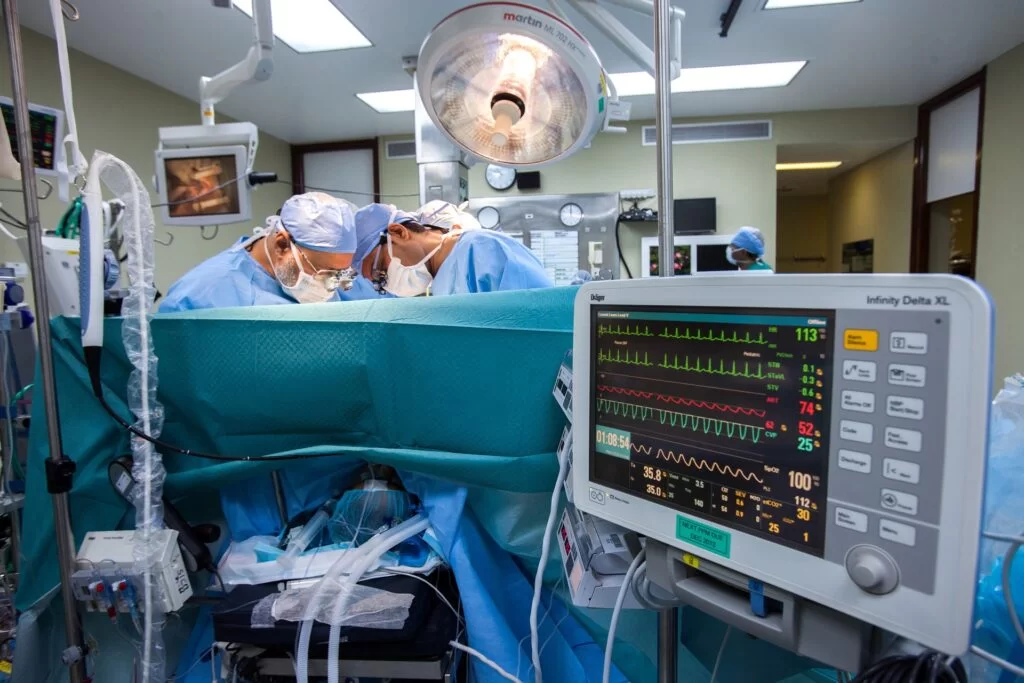
- Severe Pelvic Pain: If a woman experiences sudden, severe pelvic pain that is unresponsive to pain medication, it could indicate a ruptured endometrioma, a cyst formed by endometrial tissue that has grown outside of the uterus. This is a medical emergency and requires immediate surgical intervention.
- Internal Bleeding: Endometriosis can cause abnormal blood vessel growth, which can lead to internal bleeding. If a woman experiences heavy or prolonged vaginal bleeding or signs of internal bleeding, such as dizziness, weakness, or fainting, she should seek emergency medical attention.
- Bowel or Bladder Obstruction: Endometriosis can cause the growth of abnormal tissue that can obstruct the bowel or bladder. If a woman experiences severe abdominal pain, nausea, vomiting, constipation, or difficulty urinating, she should seek emergency medical attention.
- Infertility: If a woman is experiencing infertility, and endometriosis is suspected as the cause, surgery may be necessary to improve her chances of conceiving. In some cases, surgery may need to be performed urgently if there is evidence of ovarian torsion, which can cause infertility.
Endometriosis with an Acute Colon Obstruction
Endometriosis with an acute colon obstruction is a rare but serious complication of endometriosis. It occurs when endometrial tissue grows on or around the colon and causes a blockage in the bowel. The symptoms of an acute colon obstruction can be severe and include sudden and severe abdominal pain, bloating, nausea, vomiting, and constipation. In some cases, the bowel may become perforated or ruptured, which can lead to infection, sepsis, or even death.
Treatment for endometriosis with an acute colon obstruction usually involves emergency surgery to remove the blockage and any affected tissue. The type of surgery will depend on the severity and location of the obstruction, as well as the individual’s overall health and medical history. In some cases, a partial colectomy (removal of a portion of the colon) may be necessary. After surgery, the individual may require a temporary colostomy (a surgical opening in the abdomen for waste to pass through) to allow the bowel to heal. With prompt treatment, most individuals with endometriosis and an acute colon obstruction can recover fully and resume normal activities. However, long-term management of endometriosis is still necessary to prevent future complications.
Deep Infiltrating Endometriosis (DIE)
Deep infiltrating endometriosis (DIE) is a severe form of endometriosis that can sometimes require emergency medical attention. This occurs when the endometrial tissue grows deep into the tissue surrounding the uterus, such as the bladder, bowel, or rectum, causing significant pain and other symptoms.
In some cases, DIE can lead to complications such as severe bleeding, bowel obstruction, or perforation, which require immediate medical attention. For example, if the endometrial tissue has grown into the bowel or rectum, it can cause a blockage or perforation, leading to abdominal pain, fever, and sepsis. Similarly, if the endometrial tissue has grown into the bladder, it can cause urinary retention, which can lead to kidney damage if left untreated.
Therefore, if a woman with deep infiltrating endometriosis experiences severe symptoms, such as intense abdominal pain, fever, or difficulty passing urine or stool, she should seek medical attention immediately. Depending on the severity of the symptoms, emergency surgery may be required to address the underlying issue and prevent further complications.
Surgery is Not the First Choice of Treatment for Endometriosis
Surgery is not typically the first choice of treatment for endometriosis because it is a complex and invasive procedure that carries risks and potential complications. Additionally, endometriosis is a chronic condition that often requires long-term management, and surgery alone may not provide a permanent solution.
Instead, medical treatments such as pain relief medications, hormonal therapies, and lifestyle modifications are often recommended as the first-line treatment for endometriosis. These treatments can help to manage symptoms, slow the growth of endometrial tissue, and improve a woman’s quality of life without the need for surgery.
Moreover, surgery for endometriosis is not always successful in removing all the endometrial tissue, and in some cases, it can lead to the formation of scar tissue or adhesions, which can cause further complications and pain. Therefore, surgery is typically reserved for cases where other treatments have been unsuccessful or when there are specific indications, such as infertility or large endometrial cysts. Ultimately, the decision to pursue surgery for endometriosis should be made in consultation with a healthcare provider, based on the individual’s unique circumstances and needs.
Surgical Intervention may be Recommended for the Treatment of Endometriosis in the Following Situations:
- Severe Symptoms: If a woman experiences severe pain, heavy bleeding, or other debilitating symptoms that significantly affect her quality of life and do not respond to medical treatments, surgery may be necessary to remove the endometrial tissue causing the symptoms.
- Fertility Issues: Endometriosis can sometimes cause infertility, and surgery may be necessary to improve a woman’s chances of conceiving. For example, surgery may be recommended to remove endometrial cysts or to repair damage to the fallopian tubes.
- Endometriomas: Endometriomas are cysts that form when endometrial tissue grows within the ovaries. If these cysts are large or causing significant symptoms, surgery may be necessary to remove them.
- Suspected Cancer: In rare cases, endometrial tissue outside the uterus may develop into a type of cancer called endometrioid adenocarcinoma. If a doctor suspects that a woman has this type of cancer, surgery may be necessary to remove the affected tissue.
It is important to note that surgery is typically not the first-line treatment for endometriosis and should only be considered after other treatment options have been tried and found to be ineffective. Additionally, surgery may not be appropriate or necessary for all women with endometriosis.

Anxiety and Depression: Recognizing the Signs in Endometriosis Patients
Living with endometriosis can seriously affect your mental health, often leading to increased feelings of anxiety and depression.
Living with endometriosis can seriously affect your mental health, often leading to increased feelings of anxiety and depression. Dealing with persistent pain, uncertainty about the condition, and the challenges of getting diagnosed and treated creates a complex emotional landscape. People with endometriosis may grapple with the disruption of their daily lives, relationships, and career aspirations, leading to a profound sense of frustration and helplessness. The ongoing symptoms, combined with misunderstandings and stigmas surrounding reproductive health, can make the emotional toll even heavier, creating an environment where anxiety and depression can thrive.
The link between physical and mental well-being in the context of endometriosis is like a cycle. The emotional distress you feel can, in turn, make the physical pain feel even more intense. Coping with pain and the unpredictability of symptom flare-ups presents a unique challenge as you navigate both the visible physical aspects of the condition and the less obvious but equally significant realm of mental well-being. It’s crucial to understand how these challenges are interconnected and to approach healthcare holistically, addressing both the physical and emotional sides of the experience.
What Signs Should One Be Attentive to as Potential Indicators of Anxiety and Depression in Individuals with Endometriosis?
Endometriosis patients may experience a range of emotional and mental health challenges, and recognizing the warning signs of anxiety and depression is crucial for timely intervention and support.
Here are some potential warning signs:
Anxiety
- Excessive Worrying: Persistent and excessive worrying about the future, health, or other aspects of life.
- Restlessness: Feeling on edge or restless, being unable to relax.
- Irritability: Increased irritability, impatience, or a sense of being easily agitated.
- Fatigue: Unexplained tiredness or feeling physically drained, even after adequate rest.
- Sleep Disturbances: Changes in sleep patterns, including difficulty falling asleep or staying asleep.
Depression
- Persistent Sadness: A prolonged and unexplained feeling of sadness, emptiness, or hopelessness.
- Loss of Interest: Diminished interest or pleasure in activities that were once enjoyable.
- Changes in Appetite: Significant changes in appetite, leading to weight loss or gain.
- Sleep Problems: Insomnia or oversleeping, and disruptions to the normal sleep cycle.
- Fatigue: Unexplained tiredness and a lack of energy, even after rest.
- Difficulty Concentrating: Trouble focusing, making decisions, or experiencing memory problems.
- Physical Symptoms: Chronic pain and other physical symptoms associated with endometriosis may contribute to a sense of despair.
Even though dealing with endometriosis can take a toll on emotions, it’s important to know that there is hope and support out there.
Join the Facebook Support Group with more than 69,000 members: https://www.facebook.com/groups/258991498034471/
For those in New York, there is an online support group on Instagram and in-person groups in NYC: https://www.instagram.com/endowarriors/?hl=en
Having open conversations about mental health within the endometriosis community and with healthcare providers can break down barriers and reduce the stigma surrounding anxiety and depression. By recognizing and dealing with the emotional aspects of endometriosis, individuals can work towards overall well-being, building resilience and empowering themselves to face this journey with strength and support.
What Methods Do Doctors Use to Address Anxiety and Depression?
Helping with anxiety and depression in people with endometriosis means using a detailed and personalized approach. Therapy, especially cognitive-behavioral therapy (CBT), is often a big part of the plan. CBT teaches patients to identify and change negative thoughts, giving them ways to cope with the emotional toll of dealing with a long-term condition like endometriosis. Also, being part of support groups or getting counseling specifically for endometriosis can create a special space. It’s a chance for people to share experiences, learn from others, and get emotional support from people who get what they’re going through.
Sometimes, doctors might suggest using medications to help with anxiety and depression symptoms. Antidepressants like SSRIs or SNRIs could be prescribed to balance neurotransmitters and ease the emotional strain of dealing with the persistent pain and uncertainty tied to endometriosis. The choice of medication and how much to take is decided based on the person’s specific symptoms and needs. Combining therapy with medication gives a well-rounded approach to taking care of mental health for those with endometriosis. Keeping up communication with healthcare providers is key to track progress, make any needed adjustments to the plan, and ensure ongoing support for both the physical and mental well-being of those living with endometriosis.