

The Most Complex Robotic Endometriosis
Surgery Center in the Nation
At New York Gynecology Surgery & Endometriosis (NYGSE), we specialize in the most challenging and advanced endometriosis cases—those involving the bowel, bladder, ureters, diaphragm, nerves, pelvic sidewalls, and deep infiltrating disease that most surgeons and centers will not treat. Endometriosis is not cancer, but it grows, invades, and spreads like one. As a cancer-trained surgeon with more than 10,000 robotic endometriosis and gynecologic surgeries, Dr. Singhal performs radical, ultra-precise resections with a level of expertise unmatched in conventional OB/GYN or minimally invasive gynecology. Patients from across the country and around the world come to NYGSE when every other doctor has said “no.”
Most Complex Robotic Endometriosis Cases
Where Endometriosis Can Occur
Endometriosis of Uterus
The uterus is a pear-shaped organ in the female reproductive system responsible for housing and nourishing a developing fetus during pregnancy.
Deep endometriosis of the uterus involves the infiltration of endometrial tissue into the deeper layers of the uterine muscle, potentially causing pain, scarring, and distortion of the uterine structure. Superficial endometriosis of the uterus refers to the presence of endometrial tissue on the surface of the uterine lining without penetrating deeply into the muscle layer.
Adenomyosis of the uterus is a separate condition where endometrial tissue grows into the muscular wall of the uterus, leading to thickening of the uterine wall, painful menstruation, and sometimes heavy bleeding. While all these conditions involve endometrial tissue, they differ in terms of the depth of tissue infiltration and specific location within or around the uterus, contributing to variations in symptoms and potential complications.
Endometriosis of Ovary
The ovary is an essential reproductive organ in females responsible for producing eggs and releasing hormones. Deep endometriosis of the ovary involves the infiltration of endometrial tissue into the deeper layers of the ovary, potentially forming cysts called endometriomas and leading to scarring and distortion of ovarian tissue. Superficial endometriosis of the ovary refers to the presence of endometrial tissue on the surface of the ovary without infiltration into its deeper layers.
Both types of endometriosis of the ovary can cause pelvic pain and may impact fertility, but deep endometriosis tends to be associated with more severe symptoms and potential complications due to the involvement of deeper ovarian structures.
Endometriosis of Fallopian Tube
The fallopian tube is a slender, tube-like structure connecting the ovaries to the uterus, serving as a passageway for eggs released by the ovaries to travel to the uterus.
Deep endometriosis of the fallopian tube involves the infiltration of endometrial tissue into the deeper layers of the tube, potentially causing inflammation, scarring, and blockages that may impair fertility. Superficial endometriosis of the fallopian tube refers to the presence of endometrial tissue on the outer surface of the tube without infiltration into its deeper layers.
Both types of endometriosis of the fallopian tube can lead to symptoms such as pelvic pain and may impact fertility, though the severity and specific implications can vary between individuals.
Endometriosis of Pelvic Peritoneum
The pelvic peritoneum refers to the membrane lining the pelvic cavity, providing support and protection to pelvic organs. The anterior cul-de-sac is the space between the bladder and uterus in females. The posterior cul-de-sac is the space between the uterus and rectum. The pelvic sidewall consists of the muscles and connective tissues along the sides of the pelvic cavity, contributing to pelvic support and stability. The pelvic brim is the boundary between the pelvic cavity and the abdominal cavity, demarcating the entrance to the pelvis. The uterosacral ligaments are fibrous bands that attach the uterus to the sacrum, providing structural support to the uterus and helping maintain its position within the pelvis.
Endometriosis of Rectovaginal Septum and Vagina
The rectovaginal septum is the anatomical structure separating the rectum from the vagina, while the vagina is a muscular canal connecting the external genitalia to the cervix, forming part of the female reproductive system.
Endometriosis of the rectovaginal septum and vagina refers to the presence of endometrial-like tissue growth in these respective anatomical regions, potentially causing symptoms such as pelvic pain, painful intercourse, and discomfort.
Endometriosis of Intestine
The intestine is a vital component of the digestive system, comprising the small intestine, where nutrient absorption primarily occurs, and the large intestine, which includes the sigmoid colon, cecum, appendix, and various other segments such as the ascending, transverse, and descending colon. The sigmoid colon, forming the final part of the large intestine before the rectum, stores feces before elimination, while the rectum serves as the final section of the large intestine where feces are stored before expulsion. The cecum, located at the beginning of the large intestine, aids in fluid and salt absorption. The appendix, a small extension attached to the cecum, has debated functions potentially related to the immune system.
Overall, these structures work synergistically to process food, absorb nutrients, and facilitate waste elimination in the human body’s digestive process.
Endometriosis of Cutaneous Scar
Endometriosis of a cutaneous scar occurs when endometrial tissue implants and grows within a surgical or traumatic scar on the skin, resulting in pain, swelling, and the formation of nodules or cysts at the scar site. The prevalence of endometriosis occurring within cutaneous scars is relatively low, estimated to affect around 1% to 2% of individuals with endometriosis.
Endometriosis of Bladder and Ureters
The bladder is a hollow organ located in the pelvis responsible for storing urine before it is expelled from the body, while the ureters are narrow tubes that carry urine from the kidneys to the bladder.
Deep endometriosis of the bladder or ureters involves the infiltration of endometrial tissue into the deeper layers of these organs, potentially causing inflammation, scarring, and obstruction of urine flow, leading to symptoms such as pelvic pain, urinary urgency, and recurrent urinary tract infections. Superficial endometriosis of the bladder or ureters, however, refers to the presence of endometrial tissue on the surface of these organs without penetrating deeply into their layers.
Both types of endometriosis of the bladder or ureters can result in significant discomfort and may require a combination of medical and surgical interventions for management.
Endometriosis of Cardiothoracic Space
Endometriosis of the cardiothoracic space refers to the presence of endometrial-like tissue growth within the chest cavity, potentially affecting structures such as the pleura, lung and mediastinal spaces.
Pleural endometriosis involves the infiltration of endometrial tissue into the lining of the lungs and chest cavity, leading to symptoms such as chest pain and shortness of breath. Lung endometriosis occurs when endometrial-like implants are found within the lung tissue, sometimes causing symptoms like coughing up blood or chest discomfort. Mediastinal endometriosis involves the growth of endometrial-like tissue within the mediastinum, the space in the middle of the chest containing the heart, esophagus, and other vital structures.
Deep endometriosis of the diaphragm refers to the infiltration of endometrial tissue into the muscular or connective tissue layers of the diaphragm, potentially causing referred pain and respiratory symptoms. Superficial endometriosis of the diaphragm, however, describes the presence of endometrial tissue on the surface of the diaphragm without penetrating deeply into its layers.
Endometriosis of Abdomen
Abdominal endometriosis refers to the presence of endometrial tissue outside the uterus within the abdomen, often causing pain and infertility.
The umbilicus, commonly known as the belly button, is a central point on the abdomen where the umbilical cord was attached during fetal development. The inguinal canal is a passage in the lower abdomen through which structures like the spermatic cord in males or the round ligament of the uterus in females pass.
Extra-pelvic abdominal peritoneum refers to the peritoneal lining that extends beyond the pelvic cavity into the abdomen, serving as a protective membrane for abdominal organs. The anterior abdominal wall is the front portion of the abdomen, consisting of layers of muscle and fascia that provide support and protection for the abdominal organs.
Endometriosis of Pelvic Nerves
Endometriosis of the pelvic nerves involves the infiltration of endometrial tissue into the nerves within the pelvic region, potentially leading to neuropathic pain and dysfunction.
Sacral splanchnic nerves are responsible for transmitting sensory and motor signals between the pelvic organs and the sacral spinal cord, and endometriosis in these nerves can cause pelvic pain and disruptions in organ function. Sacral nerve roots originate from the sacral region of the spinal cord and can be affected by endometriosis, contributing to pelvic pain and discomfort. Endometriosis involving the obturator nerve, which innervates the inner thigh and pelvic region, can result in pain during movement and intercourse.
Endometriosis affecting the sciatic nerve, the largest nerve in the body, can lead to radiating pain, numbness, and weakness in the lower back, buttocks, and legs. The pudendal nerve, responsible for sensation in the genital and perineal area, can be impacted by endometriosis, causing pelvic pain and sexual dysfunction. Endometriosis involving the femoral nerve, which supplies sensation to the thigh and leg, may result in pain and weakness in these regions, potentially affecting mobility and quality of life.
Endometriosis of Pelvic Nerves
Endometriosis of the pelvic nerves involves the infiltration of endometrial tissue into the nerves within the pelvic region, potentially leading to neuropathic pain and dysfunction.
Sacral splanchnic nerves are responsible for transmitting sensory and motor signals between the pelvic organs and the sacral spinal cord, and endometriosis in these nerves can cause pelvic pain and disruptions in organ function. Sacral nerve roots originate from the sacral region of the spinal cord and can be affected by endometriosis, contributing to pelvic pain and discomfort. Endometriosis involving the obturator nerve, which innervates the inner thigh and pelvic region, can result in pain during movement and intercourse.
Endometriosis affecting the sciatic nerve, the largest nerve in the body, can lead to radiating pain, numbness, and weakness in the lower back, buttocks, and legs. The pudendal nerve, responsible for sensation in the genital and perineal area, can be impacted by endometriosis, causing pelvic pain and sexual dysfunction. Endometriosis involving the femoral nerve, which supplies sensation to the thigh and leg, may result in pain and weakness in these regions, potentially affecting mobility and quality of life.
Service Areas
Serving patients in Babylon, Bay Shore, and throughout Long Island, NYGSE specializes in advanced endometriosis treatment and surgical care.
Advanced endometriosis is not limited to the uterus and ovaries. It can invade the bowel, bladder, ureters, pelvic nerves, diaphragm, abdominal wall, and even the chest cavity. Below is a complete overview of every anatomical location where endometriosis may develop — all of which NYGSE is uniquely equipped to diagnose and surgically treat.
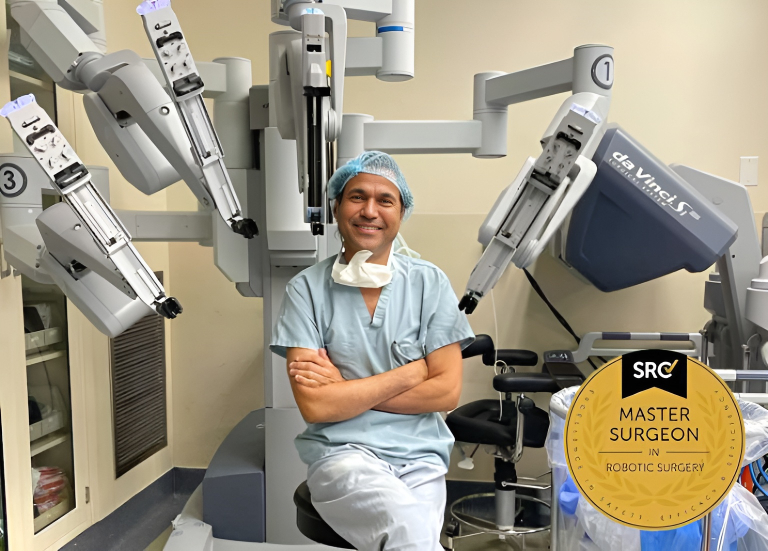
Pankaj Singhal, MD, MS, MHCM
With over 12 years of experience in both academic and private healthcare, Dr. Singhal has trained more than 45 gynecologic surgeons and fellows in minimally invasive and oncologic procedures. He has pioneered new surgical techniques for endometriosis and laparoscopic surgery, completing more than 5,700 robotic-assisted cases nationwide. Renowned for taking on the most complex cases other centers turn away, Dr. Singhal continues to advance the standard of women’s surgical care.