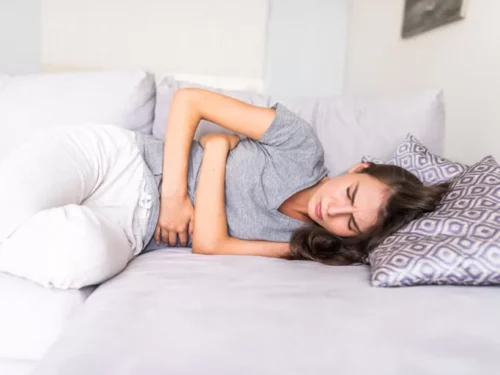

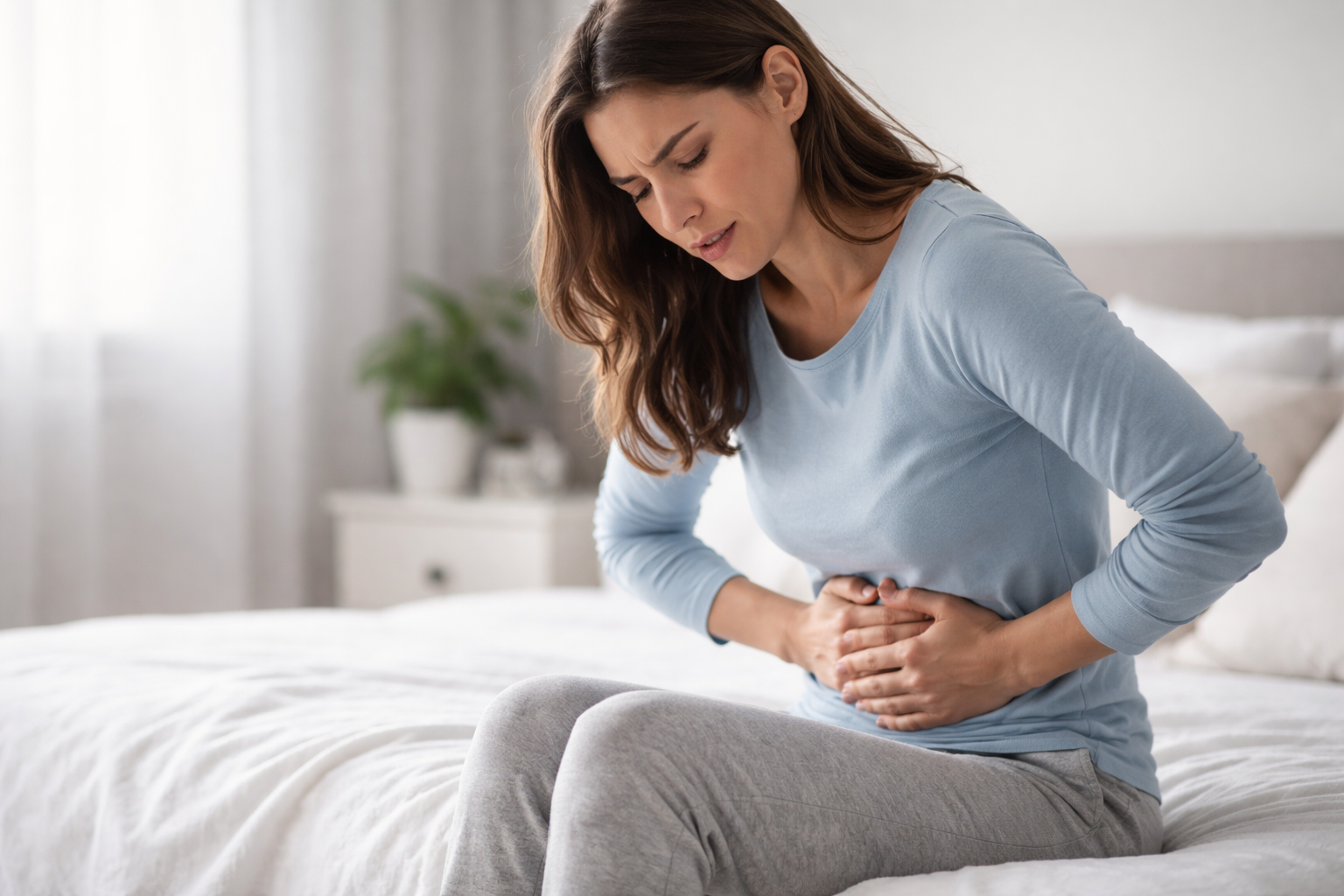
Pelvic bone pain is often misunderstood. Many women describe it as a deep, uncomfortable sensation that feels like it is coming from the hips or pelvic bones, but the true source is not always obvious.
In reality, what feels like bone pain is often coming from surrounding structures such as muscles, nerves, or reproductive organs. Because of this, pelvic pain is frequently misdiagnosed or dismissed, especially when symptoms are mild at first.
Understanding what this type of pain actually means is the first step toward getting the right diagnosis and avoiding years of uncertainty.
What Pelvic Bone Pain Really Feels Like
Pelvic bone pain does not feel the same for everyone. Some women notice a dull ache that lingers throughout the day, while others experience sharper or more localized discomfort.
It may feel like pressure deep in the lower abdomen, aching near the hip bones, or pain that spreads into the lower back. In some cases, it becomes more noticeable during certain times of the month. In others, it appears unrelated to the menstrual cycle.
One of the most important things to recognize is that this type of pain is often difficult to pinpoint. That alone is a signal that the source may not be the bone itself.
 Common Causes of Pelvic Pain That Feels Like Bone Pain
Pelvic pain that feels structural or deep is often caused by underlying conditions within the pelvis. Some are temporary, while others require proper medical evaluation.
Ovulation can cause short-term pain on one side of the pelvis. This is usually mild and resolves quickly, but persistent or severe discomfort should not be ignored.
Endometriosis is one of the most commonly overlooked causes. It can create inflammation throughout the pelvis, leading to pain that feels deep, radiating, and difficult to locate.
Pelvic floor dysfunction can also create a sensation of pressure or aching that mimics bone pain. Tight or strained muscles in this area can cause discomfort that is often mistaken for something structural.
Fibroids and ovarian cysts may place pressure on surrounding tissues, creating a heavy or centralized pain in the pelvic region.
In some cases, joint-related issues such as sacroiliac dysfunction can contribute to pain near the hips or lower back, especially with movement.
According to the American College of Obstetricians and Gynecologists, chronic pelvic pain is often linked to conditions such as endometriosis, fibroids, and other underlying gynecologic or musculoskeletal issues, which is why identifying the true source of pain is so important.
When Pelvic Pain Is Not Normal
Many women are told that pelvic pain is something to live with. That is not always true.
There are specific patterns that suggest something more serious may be happening. Pain that occurs consistently each month, becomes more intense over time, or interferes with daily life should be evaluated.
Pain during or after intercourse, heavy or irregular periods, and difficulty becoming pregnant are also important signals. These symptoms often point to underlying gynecologic conditions that require specialized care.
If the pain is changing your routine or limiting your activities, it is worth taking seriously.
Could It Be Endometriosis?
Endometriosis is one of the most frequently missed causes of pelvic pain. It does not always present as typical menstrual cramps, which is why many patients go undiagnosed for years.
Instead, it may feel like deep pelvic pressure, aching near the hips, or pain that extends into the lower back. It can occur during your period, but it can also happen at other times in your cycle.
Some women also experience symptoms such as bloating, bowel discomfort, or fatigue alongside pelvic pain. When these symptoms appear together, it becomes even more important to look beyond surface-level explanations.
Because endometriosis can affect multiple areas within the pelvis, the pain often feels complex and difficult to describe.
Conditions That Can Be Mistaken for Each Other
One of the biggest challenges with pelvic pain is that different conditions can feel very similar.
Endometriosis, fibroids, ovarian cysts, and even gastrointestinal conditions like IBS can overlap in symptoms. This is why many women are initially misdiagnosed or told that nothing is wrong.
The key difference is in the pattern and progression of symptoms. Pain that worsens over time, spreads to different areas, or does not respond to basic treatment should be evaluated more closely.
A proper diagnosis requires looking at the full picture, not just one symptom.
How Pelvic Pain Is Evaluated
A thorough evaluation goes beyond a basic exam. It involves understanding your symptoms, how they change over time, and how they impact your daily life.
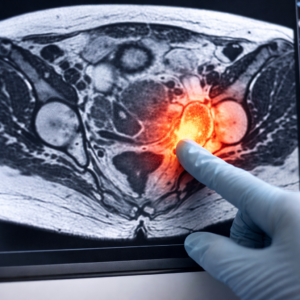
Imaging such as ultrasound or MRI may be used, but it is important to understand that some conditions, including endometriosis, are not always visible on imaging.
This is why experience matters. Identifying the true source of pelvic pain often requires a specialist who understands how these conditions present in real patients, not just in textbooks.
Pelvic Pain Care on Long Island
For women in Babylon, Bay Shore, and surrounding Long Island communities, pelvic pain is often normalized or overlooked. Many patients spend years trying to manage symptoms on their own before seeking answers.
Access to experienced gynecologic specialists can change that trajectory. A focused evaluation can help determine whether the pain is related to endometriosis, fibroids, cysts, or another underlying condition, and guide the next steps toward treatment.
Getting answers sooner can make a meaningful difference in both quality of life and long-term health outcomes.
When to See a Specialist
If pelvic pain keeps returning, becomes more intense, or starts to interfere with your routine, it is time to take the next step.
You do not need to wait until the pain becomes severe. Early evaluation can prevent symptoms from progressing and help you understand what is happening before it becomes more difficult to manage.
Finding Relief Starts with the Right Diagnosis
Pelvic bone pain is often misunderstood, but it is not something you should ignore. Whether the cause is temporary or related to a more complex condition, identifying it early is the key to effective treatment.
If you have been dealing with persistent pelvic discomfort and are unsure what is causing it, a proper evaluation can provide clarity and direction.