
 Laparoscopic hysterectomy represents one of the most significant advances in gynecologic surgery over the past three decades. This minimally invasive approach has transformed how surgeons treat conditions requiring uterine removal, offering patients faster recovery times, less pain, and improved cosmetic outcomes compared to traditional open surgery.
As a patient considering hysterectomy, understanding when laparoscopic techniques are recommended and what to expect can help you make informed decisions about your care. This comprehensive guide addresses the key considerations that influence surgical recommendations and answers the most common questions patients ask about this procedure.
Understanding Laparoscopic Hysterectomy
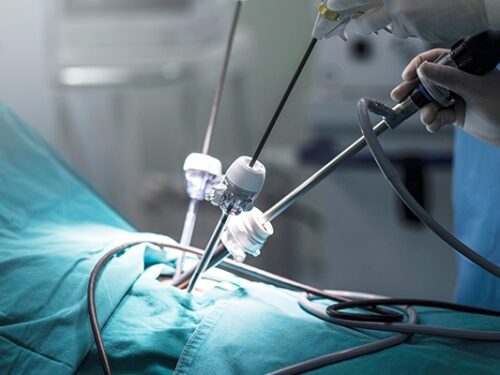
Laparoscopic hysterectomy involves removing the uterus through several small incisions in the abdomen, typically measuring less than one centimeter each. Using a specialized camera called a laparoscope and advanced surgical instruments, surgeons can perform the same procedure as traditional open surgery while preserving healthy tissue and minimizing surgical trauma.
The technique has evolved considerably since its introduction in the 1980s. Modern laparoscopic equipment provides surgeons with high-definition visualization and precision instruments that allow for meticulous tissue handling. Many centers now offer robotic-assisted laparoscopic hysterectomy, which further enhances surgical precision through three-dimensional visualization and wristed instruments that mimic natural hand movements.
Medical Conditions That May Warrant Laparoscopic Hysterectomy
Uterine Fibroids
Large or symptomatic uterine fibroids represent one of the most common indications for hysterectomy. When fibroids cause heavy bleeding, severe pain, or pressure symptoms that don’t respond to conservative treatments, surgical removal may be necessary. Laparoscopic approach is particularly beneficial for patients with fibroids who have completed childbearing and prefer definitive treatment over repeated procedures.
The American College of Obstetricians and Gynecologists emphasizes that fibroid treatment should be individualized based on symptom severity, patient age, and reproductive goals. For women who no longer desire pregnancy, laparoscopic hysterectomy offers permanent symptom relief with minimal surgical morbidity.
Endometriosis
Severe endometriosis that doesn’t respond to hormonal therapy or causes debilitating symptoms may require hysterectomy, particularly when the uterus is significantly involved with endometrial implants. Laparoscopic techniques are especially well-suited for endometriosis surgery because they allow surgeons to thoroughly visualize the pelvis and remove endometrial implants with precision.
Research published in major gynecologic journals consistently demonstrates that laparoscopic management of endometriosis results in less postoperative pain and faster return to normal activities compared to open surgery. The magnified visualization provided by laparoscopy also enables more complete removal of endometrial implants.
Abnormal Uterine Bleeding
When abnormal uterine bleeding stems from conditions like adenomyosis or endometrial hyperplasia and doesn’t respond to medical management, hysterectomy may be recommended. The laparoscopic approach is particularly advantageous for these patients because many have underlying medical conditions that benefit from shorter operative times and reduced surgical stress.
Gynecologic Cancers
Early-stage endometrial cancer and cervical cancer may be treated with laparoscopic hysterectomy in appropriately selected patients. The National Cancer Institute recognizes minimally invasive techniques as standard treatment options for many gynecologic malignancies when performed by experienced surgeons.
Oncologic outcomes following laparoscopic hysterectomy for early-stage cancers are equivalent to open surgery when proper surgical principles are followed. The reduced morbidity associated with minimally invasive approaches can be particularly beneficial for cancer patients who may require additional treatments like chemotherapy or radiation.
Determining Candidacy for Laparoscopic Approach
Patient Factors
Several patient-related factors influence whether laparoscopic hysterectomy is appropriate. Body habitus, previous surgical history, and overall medical condition all play important roles in surgical planning. While obesity was once considered a contraindication to laparoscopic surgery, experienced surgeons now routinely perform these procedures safely in patients with elevated BMI.
Prior abdominal surgery may create adhesions that complicate laparoscopic approaches, but this doesn’t automatically preclude minimally invasive techniques. Skilled laparoscopic surgeons can often manage adhesions successfully, though some cases may require conversion to open surgery for safety reasons.
Uterine Size and Pathology
The size and condition of the uterus significantly influence surgical approach selection. Historically, uterine size exceeding 12 weeks gestational size was considered a relative contraindication to laparoscopic hysterectomy. However, advances in surgical techniques and equipment now allow experienced surgeons to remove much larger uteri laparoscopically through techniques like morcellation or mini-laparotomy extraction.
Complex pathology such as severe adhesions from previous infections, extensive endometriosis, or suspected malignancy may favor open surgical approaches in some cases. The decision requires careful preoperative evaluation and surgeon expertise in managing challenging anatomy.
Surgical Experience and Hospital Resources
The surgeon’s experience with laparoscopic techniques and the hospital’s available technology are crucial factors in determining surgical approach. Laparoscopic hysterectomy requires specialized training and equipment that may not be available at all facilities. Patients should seek care from surgeons with demonstrated expertise in minimally invasive gynecologic surgery.
Advantages of Laparoscopic Hysterectomy
Recovery and Return to Activities
The most significant advantage of laparoscopic hysterectomy is the dramatically reduced recovery time compared to open surgery. Most patients return to normal activities within two to four weeks, compared to six to eight weeks following open hysterectomy. This translates to less time away from work, family responsibilities, and recreational activities.
Pain levels are typically much lower following laparoscopic surgery. Patients often require less narcotic pain medication and experience fewer complications related to prolonged immobility. The smaller incisions also result in less tissue trauma and inflammatory response.
Reduced Surgical Complications
Multiple large studies have demonstrated that laparoscopic hysterectomy is associated with lower rates of surgical site infections, blood loss requiring transfusion, and thromboembolic complications. The Society of Gynecologic Surgeons has published extensive data supporting the safety profile of minimally invasive approaches when performed by appropriately trained surgeons.
Hospital length of stay is typically reduced to one day or outpatient surgery for laparoscopic hysterectomy, compared to two to three days for open procedures. This reduction in hospitalization decreases exposure to hospital-acquired infections and reduces overall healthcare costs.
Cosmetic Outcomes
The cosmetic advantages of laparoscopic surgery are significant for many patients. Instead of a large abdominal incision, patients have three to four small incisions that heal with minimal scarring. This can be particularly important for younger patients or those with concerns about body image.
Potential Limitations and Considerations
Technical Limitations
While laparoscopic hysterectomy offers numerous advantages, certain clinical scenarios may limit its application. Extremely large uteri, severe adhesions from previous surgery or infection, or suspected cancer with need for extensive staging procedures may require open surgical approaches for optimal outcomes.
The learning curve for laparoscopic hysterectomy is significant, and outcomes are directly related to surgeon experience. Patients should inquire about their surgeon’s training and case volume in minimally invasive techniques when considering this approach.
Conversion to Open Surgery
Approximately 5 to 10 percent of attempted laparoscopic hysterectomies require conversion to open surgery due to technical difficulties, bleeding, or anatomical challenges. While conversion should not be considered a complication, patients should understand this possibility and be prepared for a longer recovery if conversion becomes necessary.
Cost Considerations
The initial cost of laparoscopic hysterectomy may be higher than open surgery due to equipment and operating room time requirements. However, the reduced hospital stay, faster recovery, and lower complication rates often result in lower overall healthcare costs. Most insurance plans cover laparoscopic hysterectomy when medically indicated.
Frequently Asked Questions About Laparoscopic Hysterectomy
The operative time for laparoscopic hysterectomy typically ranges from one to three hours, depending on the complexity of the case and surgeon experience. Factors that may increase operative time include uterine size, presence of adhesions, concurrent procedures, and anatomical variations.
Laparoscopic hysterectomy is performed under general anesthesia with endotracheal intubation. This ensures patient comfort and safety while allowing the anesthesiologist to carefully control breathing during the procedure. The carbon dioxide gas used to inflate the abdomen for visualization can affect breathing patterns, making general anesthesia with controlled ventilation essential.
Most patients tolerate general anesthesia well, and modern anesthetic techniques result in faster emergence and less postoperative nausea compared to older methods. Your anesthesiologist will review your medical history and discuss any concerns during your preoperative consultation.
Many laparoscopic hysterectomies can be performed as outpatient procedures, allowing patients to return home the same day. However, overnight observation may be recommended for patients with medical comorbidities, complex surgical cases, or those who live far from the hospital. The decision is individualized based on surgical complexity, patient recovery, and surgeon preference.
Same-day discharge requires adequate pain control, stable vital signs, and the ability to tolerate oral fluids. Patients must also have reliable transportation and appropriate home support for the first 24 hours following surgery.
Recovery restrictions are designed to promote healing while preventing complications. Most patients are advised to avoid lifting anything heavier than 10 pounds for the first two weeks, gradually increasing activity as tolerated. Driving is typically permitted once you’re no longer taking narcotic pain medications and can perform an emergency stop comfortably.
Exercise restrictions usually include avoiding high-impact activities, heavy lifting, and abdominal exercises for four to six weeks. Walking is encouraged immediately after surgery to prevent blood clots and promote faster recovery. Most patients can return to desk work within one to two weeks, while physically demanding jobs may require four to six weeks of leave.
Pain levels following laparoscopic hysterectomy are generally much lower than open surgery. Most patients describe the discomfort as similar to moderate menstrual cramps or muscle soreness. Some shoulder pain may occur due to residual carbon dioxide gas, but this typically resolves within 24 to 48 hours.
Pain management usually involves a combination of anti-inflammatory medications and short-term narcotic use. Many patients find they need prescription pain medication for only a few days before transitioning to over-the-counter options. Your surgical team will provide detailed pain management instructions and ensure you have adequate medication for your recovery.
Whether you experience immediate menopause depends on whether your ovaries are removed during the hysterectomy. If only the uterus is removed and your ovaries are preserved, you will not experience immediate menopause, though it may occur slightly earlier than expected due to altered blood flow to the ovaries.
If your ovaries are removed as part of the procedure (oophorectomy), you will experience immediate surgical menopause regardless of your age. This decision is typically based on your age, family history, presence of ovarian pathology, and cancer risk factors. The North American Menopause Society provides excellent resources for understanding menopause management options.
Sexual activity can typically be resumed six to eight weeks after laparoscopic hysterectomy, once your surgeon confirms that healing is complete during your follow-up visit. This timeframe allows the vaginal cuff (where the cervix was attached) to heal properly and reduces the risk of infection or bleeding.
Some patients may experience temporary changes in sexual sensation or lubrication, particularly if ovaries were removed. These issues often improve with time, and various treatment options are available if concerns persist. Open communication with your healthcare provider about sexual health concerns is important for optimal recovery.
Follow-up care typically includes a visit two weeks after surgery to assess healing and address any immediate concerns. A comprehensive evaluation at six weeks ensures complete recovery and clearance for full activity resumption. Some patients may require additional visits based on their individual recovery course.
Long-term follow-up depends on the reason for surgery and whether the cervix was removed. If the cervix remains, regular Pap smears continue as recommended by current guidelines. Patients who had hysterectomy for cancer may require more frequent follow-up with oncology specialists.
Making the Decision About Laparoscopic Hysterectomy
The decision to proceed with laparoscopic hysterectomy should involve thorough discussion between you and your gynecologic surgeon. Consider your symptoms, treatment goals, recovery time constraints, and personal preferences when evaluating surgical options.
Preparing for Your Consultation
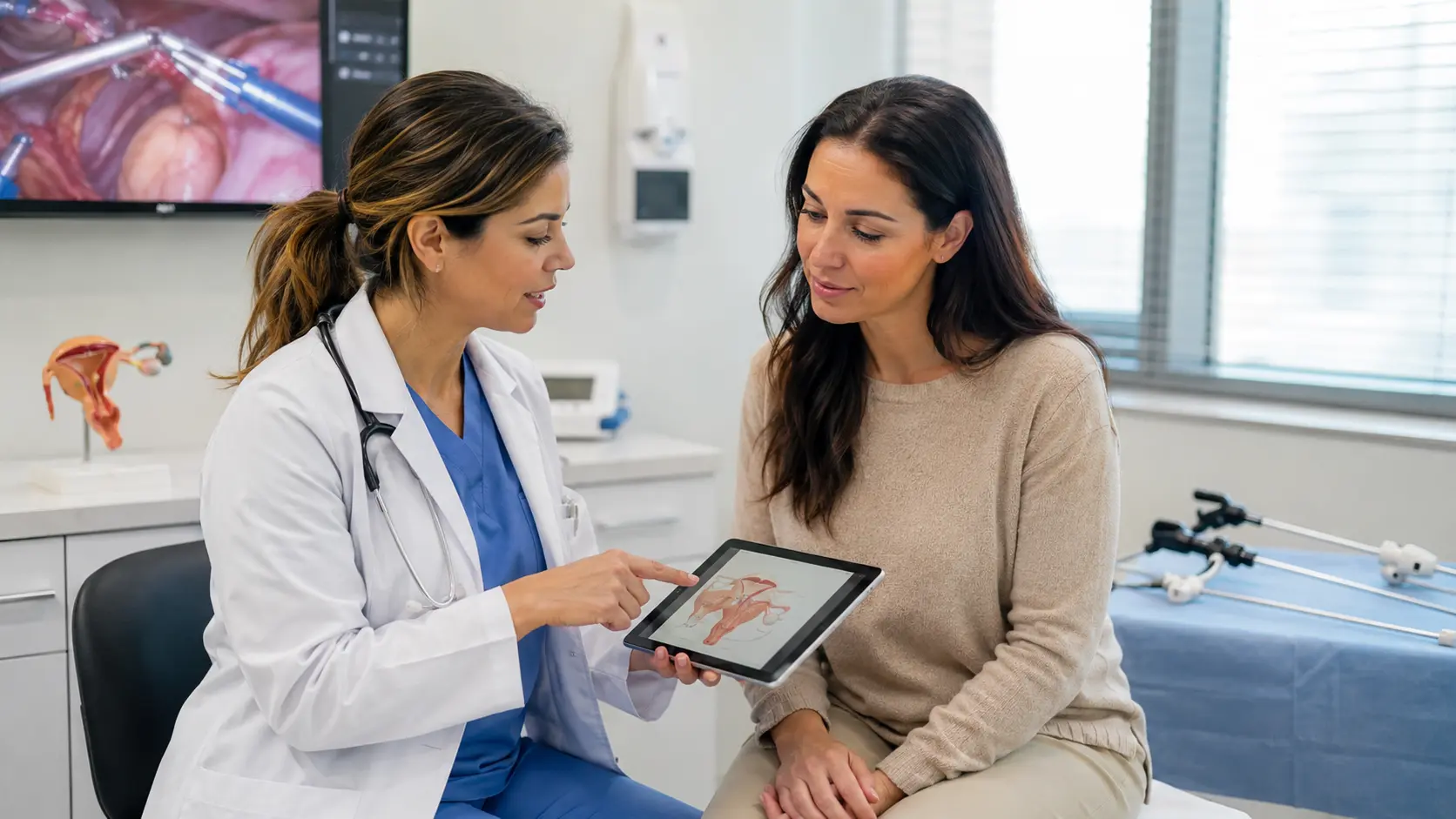
Before meeting with your surgeon, prepare a comprehensive list of your symptoms, previous treatments, and questions about the procedure. Bring all relevant medical records, imaging studies, and pathology reports to ensure your surgeon has complete information for surgical planning.
Consider bringing a trusted family member or friend to your consultation, as they can help you remember important information and provide emotional support during the decision-making process. Don’t hesitate to ask about your surgeon’s experience with laparoscopic techniques and request information about their complication rates and patient outcomes.
Laparoscopic hysterectomy represents a significant advancement in gynecologic surgery that offers numerous benefits over traditional open approaches when appropriately applied. The decision to proceed with this minimally invasive technique depends on multiple factors including your underlying condition, anatomical considerations, surgeon expertise, and personal preferences.
Working with an experienced gynecologic surgeon who can thoroughly evaluate your individual situation and discuss all available treatment options is essential for achieving optimal outcomes. The reduced recovery time, lower complication rates, and improved quality of life associated with laparoscopic hysterectomy make it an excellent option for many patients requiring uterine removal.
Remember that every patient’s situation is unique, and what’s appropriate for one person may not be suitable for another. Take time to understand your options, ask questions, and make the decision that aligns with your health goals and personal circumstances. With proper patient selection and skilled surgical technique, laparoscopic hysterectomy can provide excellent outcomes with minimal disruption to your daily life.