
Key Takeaways
Quick Answer: Diet cannot cure endometriosis, but strategic nutrition choices can significantly reduce inflammation, support healthy hormone metabolism, and improve symptoms like pelvic pain, bloating, and fatigue. An anti-inflammatory diet rich in omega-3 fatty acids, fiber, and antioxidants—combined with expert surgical care—offers the most comprehensive approach to managing this complex condition.
What you’ll learn in this guide:
- How diet influences inflammation, estrogen levels, and endometriosis symptoms
- Which foods help reduce pain and which ones may worsen symptoms
- Practical meal planning strategies and shopping lists
- How to identify your personal food triggers
- Why diet works best alongside specialized surgical treatment
If you’re living with endometriosis, you’ve probably heard conflicting advice about diet. Maybe a friend swears that going gluten-free changed her life. Perhaps you’ve read that certain foods can “cure” endometriosis, while your doctor hasn’t mentioned diet at all. You might feel overwhelmed by contradictory information online, unsure what’s actually backed by science versus what’s just wishful thinking.
The truth lies somewhere in between these extremes. While diet alone cannot cure endometriosis—this is a complex disease that often requires expert surgical intervention, particularly excision surgery performed by specialists experienced in treating the condition—what you eat can significantly influence how you feel day to day.
Understanding how nutrition actually affects endometriosis can empower you to make informed choices that may genuinely improve your symptoms. This isn’t about restrictive eating or miracle cures. It’s about using evidence-based nutrition strategies as part of a comprehensive treatment approach that addresses all aspects of this challenging condition.
How Does Diet Actually Affect Endometriosis?
Before we dive into specific foods and meal plans, it’s important to understand the biological mechanisms that link what you eat to how you feel. Endometriosis isn’t just about misplaced tissue—it’s a systemic condition involving inflammation, hormonal imbalances, immune dysfunction, and oxidative stress. Diet affects all of these pathways in measurable ways.
Understanding Inflammation and Endometriosis
Endometriosis is fundamentally an inflammatory disease. The ectopic endometrial tissue growing outside your uterus triggers a chronic inflammatory response throughout your body. This inflammation isn’t just happening at the site of lesions on your ovaries, bowel, or pelvic sidewalls—it’s systemic, affecting your entire body and contributing to the pain, fatigue, brain fog, and other symptoms you experience daily.
When you experience pelvic pain, much of what you’re feeling is caused by inflammatory chemicals called prostaglandins and cytokines. These substances are produced both by the endometriosis lesions themselves and by your immune system’s response to them. Research has consistently shown that women with endometriosis have significantly elevated levels of inflammatory markers like interleukin-6 (IL-6), tumor necrosis factor-alpha (TNF-alpha), and C-reactive protein (CRP) compared to women without the disease.
Here’s where diet becomes directly relevant to your symptoms: the foods you eat can either fuel this inflammatory fire or help dampen it. When you consume a diet high in processed foods, refined sugars, trans fats, and certain omega-6 fatty acids, you’re essentially adding kindling to an already burning flame. These foods actively promote the production of inflammatory compounds in your body through multiple biochemical pathways.
Conversely, anti-inflammatory foods contain specific compounds—polyphenols, omega-3 fatty acids, antioxidants, and fiber—that can reduce inflammatory signaling and help quiet the overactive immune response. Think of it this way: if your body is already dealing with chronic inflammation from endometriosis, eating an inflammatory diet is like trying to heal a wound while repeatedly irritating it. It just doesn’t make physiological sense.
The type of fat you consume has a particularly powerful influence on inflammation levels. Your body uses dietary fats as building blocks to create signaling molecules called eicosanoids, which can be either pro-inflammatory or anti-inflammatory depending on their source. Omega-6 fatty acids, which are abundant in many processed vegetable oils like soybean, corn, safflower, and sunflower oil, tend to promote inflammatory pathways when consumed in excess. These oils are ubiquitous in the modern food supply—found in everything from salad dressings to baked goods to restaurant fried foods.
Omega-3 fatty acids, found in fatty fish like salmon, sardines, and mackerel, as well as in flaxseeds, chia seeds, and walnuts, do the opposite—they’re converted into anti-inflammatory compounds that can actually reduce pain and inflammation at the cellular level.
Most modern Western diets contain a ratio of omega-6 to omega-3 fats of around 15:1 or even 20:1, when the ideal ratio for health is closer to 4:1 or even 2:1. This dramatic imbalance means that many people are unknowingly fueling chronic inflammation through their everyday food choices. For someone with endometriosis, this imbalance can translate directly into increased pelvic pain, worse menstrual cramps, and more severe symptoms overall.
Studies have specifically examined omega-3 supplementation in women with endometriosis-related pain. One randomized controlled trial found that women who took omega-3 supplements experienced significant reductions in dysmenorrhea (painful periods) and pelvic pain compared to those who took a placebo. While more research is needed, the existing evidence suggests that increasing omega-3 intake while reducing excess omega-6 consumption is one of the most evidence-based dietary interventions for endometriosis symptoms.
The Estrogen Connection: How Diet Affects Hormone Metabolism
Endometriosis is considered an estrogen-dependent disease. The lesions themselves contain estrogen receptors and respond to estrogen in your bloodstream. In fact, endometriosis tissue can even produce its own estrogen through an enzyme called aromatase, creating a self-perpetuating cycle of growth and inflammation. Higher estrogen levels can stimulate lesion growth, increase inflammatory responses, and worsen symptoms like pain and heavy bleeding.
Your diet plays a surprisingly significant role in how your body produces, uses, and eliminates estrogen. This happens through several interconnected mechanisms that most people—and even many healthcare providers—don’t fully appreciate.
First, certain foods and dietary patterns can influence how much estrogen your body produces. Body fat itself is metabolically active tissue that produces estrogen through aromatase activity. This means that maintaining a healthy body weight through balanced nutrition can help regulate estrogen levels. Additionally, high insulin levels from diets rich in refined carbohydrates can increase ovarian production of androgens, which are then converted to estrogen.
Second, your diet profoundly affects how your liver processes and packages estrogen for elimination. Your liver is your body’s primary detoxification organ, and it works in distinct phases to break down estrogen into metabolites that can be eliminated from your body. Phase I liver detoxification uses enzymes from the cytochrome P450 family to transform estrogen into intermediate metabolites. Phase II conjugation then attaches molecules like glucuronic acid, sulfate, or glutathione to these metabolites, making them water-soluble so they can be excreted through bile and eventually eliminated in stool.
Without adequate nutrients to support these liver pathways—particularly B vitamins (especially folate, B6, and B12), antioxidants like vitamin C and E, amino acids, and sulfur-containing compounds found in cruciferous vegetables—this process can become sluggish. When liver detoxification is impaired, estrogen metabolites can accumulate, and the body may preferentially produce more potent, potentially harmful estrogen metabolites rather than safer forms.
Cruciferous vegetables like broccoli, cauliflower, brussels sprouts, kale, and cabbage deserve special mention here. They contain compounds called glucosinolates, which break down into indole-3-carbinol (I3C) and diindolylmethane (DIM) when you chew and digest them. These compounds have been shown to support healthy estrogen metabolism by promoting the production of less potent estrogen metabolites (2-hydroxyestrone) while reducing more potent forms (16-alpha-hydroxyestrone). While the research is still evolving, many practitioners recommend regular consumption of cruciferous vegetables for women with estrogen-dependent conditions like endometriosis.
But even if your liver does its job perfectly, there’s another critical factor that often gets overlooked: your gut microbiome and what happens to estrogen once it reaches your intestines.
The Gut-Estrogen Axis: Your Microbiome’s Role
Your gut microbiome—the trillions of bacteria living in your digestive tract—plays a fascinating and underappreciated role in estrogen metabolism. Scientists have identified a specific collection of gut bacteria called the “estrobolome” that specifically regulate the circulation and elimination of estrogen in your body.
Here’s how it works: After your liver conjugates estrogen and sends it into your intestines via bile, certain gut bacteria produce an enzyme called beta-glucuronidase. This enzyme can actually break the conjugation bonds that the liver worked so hard to create, essentially “unconjugating” the estrogen and allowing it to be reabsorbed back into your bloodstream rather than eliminated in your stool. This process is called enterohepatic recirculation, and it can significantly increase your total estrogen burden.
An imbalanced gut microbiome—one that’s low in beneficial bacteria and high in bacteria that produce excessive beta-glucuronidase—can lead to too much estrogen being reabsorbed. This creates a vicious cycle: higher circulating estrogen can fuel endometriosis lesion activity, increase inflammation, and worsen symptoms. On the other hand, a healthy, diverse microbiome with plenty of beneficial bacteria helps ensure that conjugated estrogen stays conjugated and gets eliminated properly.
This is where dietary fiber becomes absolutely crucial. Fiber acts like a broom in your digestive tract, binding to conjugated estrogen and carrying it out of your body before it can be reabsorbed. Women who consume high-fiber diets have been shown to excrete more estrogen in their stool and have lower circulating estrogen levels compared to women eating low-fiber diets. The recommendation for women with endometriosis is to aim for 25-35 grams of fiber daily from diverse sources like vegetables, fruits, legumes, and whole grains.
Additionally, probiotic-rich foods and prebiotic foods (which feed beneficial bacteria) can help maintain a healthy estrobolome. Fermented foods like sauerkraut, kimchi, kefir, yogurt with live cultures, and miso provide beneficial bacteria, while prebiotic foods like garlic, onions, leeks, asparagus, and slightly under-ripe bananas provide the fuel these bacteria need to thrive.
Oxidative Stress and Antioxidant Defense
Women with endometriosis consistently show higher levels of oxidative stress and lower antioxidant capacity compared to women without the condition. Oxidative stress occurs when there’s an imbalance between harmful free radicals (reactive oxygen species) and your body’s ability to neutralize them with antioxidants. This oxidative damage affects multiple aspects of endometriosis, including lesion development, inflammation, and pain.
Endometriosis lesions themselves produce excessive reactive oxygen species, which damage surrounding tissues and promote inflammation. This oxidative environment also appears to impair the immune system’s ability to clear ectopic endometrial tissue, allowing lesions to persist and grow. Additionally, oxidative stress can damage cellular DNA and proteins, potentially contributing to the disease progression.
The good news is that diet provides powerful antioxidant compounds that can help restore balance. Colorful fruits and vegetables are packed with antioxidants like vitamin C, vitamin E, beta-carotene, and thousands of phytonutrients (plant compounds) that neutralize free radicals. Berries are particularly rich in anthocyanins and other polyphenols. Leafy greens provide not only vitamins but also compounds like lutein and zeaxanthin. Nuts and seeds offer vitamin E and selenium.
Research has found that women with endometriosis who consume diets rich in antioxidants have better outcomes. One study showed that higher intake of fruits and green vegetables was associated with reduced endometriosis risk, while another found that antioxidant supplementation reduced pain scores in women with endometriosis. While supplements can play a role, getting antioxidants from whole foods is ideal because foods contain synergistic combinations of compounds that work together more effectively than isolated nutrients.
Immune System Modulation Through Diet
Endometriosis involves significant immune system dysfunction. In a healthy immune system, immune cells recognize and clear endometrial tissue that’s growing outside the uterus. In women with endometriosis, this surveillance and clearance mechanism appears to be impaired. Instead of removing ectopic tissue, the immune system mounts a chronic inflammatory response that actually helps lesions survive and grow.
Diet influences immune function through multiple pathways. Nutrient deficiencies can impair immune cell development and function. For example, vitamin D is crucial for regulating immune cell activity, particularly T-regulatory cells that help control inflammatory responses. Many women with endometriosis have low vitamin D levels, which may contribute to the dysregulated immune response seen in the disease.
Certain dietary components can directly modulate immune function. Omega-3 fatty acids, for instance, help produce specialized pro-resolving mediators (SPMs) that actively help resolve inflammation rather than just suppressing it. Curcumin from turmeric, quercetin found in onions and apples, and epigallocatechin gallate from green tea have all shown immune-modulating properties that could be beneficial for women with endometriosis.
Practical Dietary Strategies: Building Your Endometriosis-Friendly Diet
Foods to Prioritize
1. Anti-Inflammatory Powerhouses
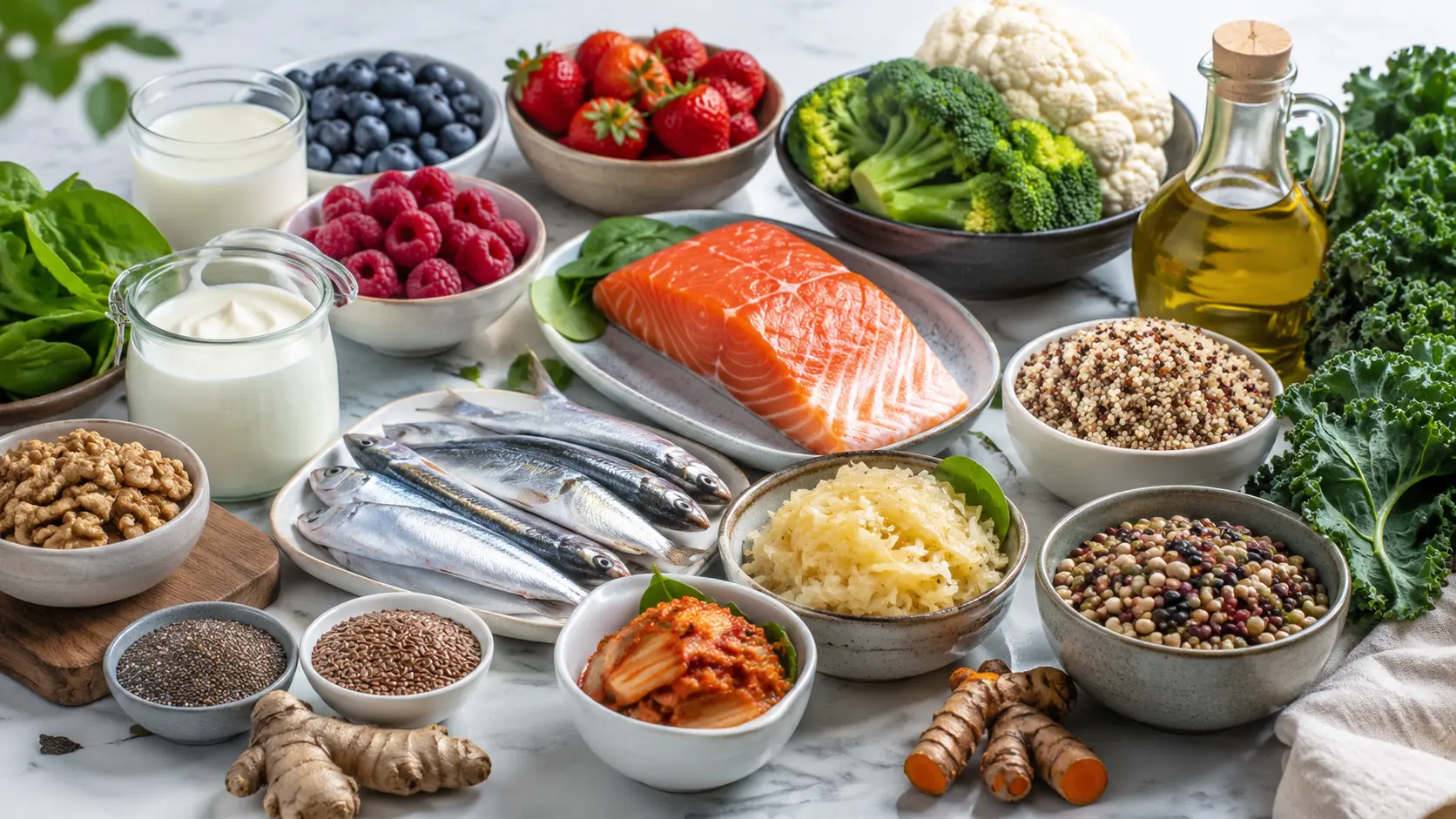
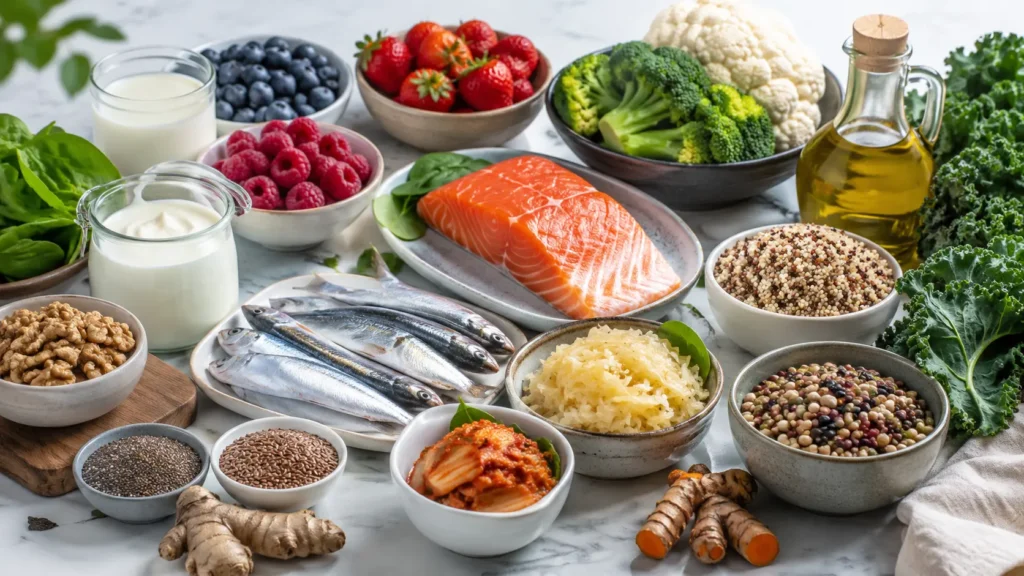
- Wild-caught fatty fish (salmon, sardines, mackerel)
- Colorful berries (blueberries, strawberries, raspberries)
- Dark leafy greens (kale, spinach, Swiss chard)
- Turmeric and ginger
- Extra virgin olive oil
- Nuts and seeds (especially walnuts, chia, and flaxseeds)
2. Hormone-Balancing Foods
- Cruciferous vegetables (broccoli, cauliflower, Brussels sprouts)
- Organic, non-GMO soy products in moderation
- Legumes and beans
- Whole grains with high fiber content
3. Gut-Supporting Foods
- Fermented foods (kimchi, sauerkraut, kefir)
- Bone broth
- Prebiotic-rich vegetables
- Probiotic yogurts
Foods to Minimize or Avoid
1. Inflammatory Triggers
- Processed meats
- Refined sugar
- Trans fats
- Excessive caffeine
- Alcohol
- Highly processed vegetable oils
2. Potential Hormone Disruptors
- Conventional dairy with added hormones
- Soy isolates
- Excessive red meat
- Refined carbohydrates
Creating a Sustainable Approach
Practical Implementation Tips
- Start with small, manageable changes
- Keep a food and symptom diary
- Work with a registered dietitian specializing in endometriosis
- Remember that bio-individuality matters – what works for one person might not work exactly the same for another
When to Seek Professional Guidance
While dietary strategies can be powerful, they are not a replacement for comprehensive medical care. Always:
- Consult with your endometriosis specialist
- Get regular check-ups
- Consider working with a nutritionist who understands endometriosis
- Be patient with yourself and the process
Final Thoughts: A Holistic Perspective
Managing endometriosis requires a multi-faceted approach. Diet is a powerful tool, but it works best when combined with:
- Expert surgical intervention
- Stress management techniques
- Regular exercise
- Comprehensive medical care
- Mental health support
Your diet can be a form of self-care, not a restrictive punishment. Focus on nourishing your body, listening to its signals, and working closely with healthcare professionals who understand the complexity of endometriosis.
Research and Resources
For those wanting to dive deeper, we recommend:
- Endometriosis Foundation of America
- Recent peer-reviewed nutritional studies on endometriosis
- Consultation with specialists who take a comprehensive approach to treatment
Disclaimer: This guide is for informational purposes and does not constitute medical advice.
Related Posts
Endometriosis, inflammation, and GLP-1 drugs: Promise, placebo, or a path forward?
Over the past year, a growing number of my patients with endometriosis have reported something unexpected: fewer inflammatory flares, less bloating, and, in some cases, meaningful pain relief after...