

Understanding Adenomyosis
Adenomyosis occurs when endometrial-like tissue grows into the muscular wall of the uterus. This can cause the uterus to become enlarged and lead to painful, heavy menstrual cycles. While adenomyosis is not cancerous, it can significantly impact quality of life, especially for women experiencing severe pelvic pain or abnormal bleeding.
Because its symptoms often overlap with fibroids or endometriosis, adenomyosis can be difficult to diagnose without specialized evaluation. Proper assessment is essential to determine the most effective treatment approach.
COMMON QUESTIONS ABOUT Adenomyosis
WHAT IS ADENOMYOSIS?
Adenomyosis occurs when endometrial tissue grows into the muscular wall of the uterus. This can cause heavy bleeding, severe cramping, and chronic pelvic pain. It is a benign condition but can significantly impact quality of life.
HOW IS ADENOMYOSIS DIFFERENT FROM ENDOMETRIOSIS?
Although both conditions involve endometrial-like tissue, adenomyosis affects the uterus itself, while endometriosis occurs outside the uterus. Some patients may have both conditions at the same time.
WHAT ARE THE SYMPTOMS OF ADENOMYOSIS?
Common symptoms include heavy or prolonged menstrual bleeding, severe menstrual cramps, pelvic pressure, pain during intercourse, and chronic pelvic discomfort. Symptoms can worsen over time.
HOW IS ADENOMYOSIS DIAGNOSED?
Diagnosis typically involves a pelvic exam and imaging studies such as ultrasound or MRI. Because symptoms overlap with fibroids and endometriosis, evaluation by a specialist experienced in complex pelvic conditions is important.
Service Areas
NYGSE cares for patients throughout Babylon and Bay Shore, NY with a endometriomas, using advanced imaging and surgical techniques to manage cysts effectively while supporting long-term reproductive and pelvic health.
Surgical Methods for Adenomyosis
The appropriate surgical approach for adenomyosis depends on symptom severity, extent of disease, and the patient’s reproductive goals. Treatment focuses on relieving heavy bleeding and pelvic pain while preserving uterine function when possible.
SURGICAL MANAGEMENT OF ADENOMYOSIS
When conservative treatments are not sufficient, surgical intervention may be considered for symptom relief and improved quality of life.
HYSTERECTOMY
For patients with severe or diffuse adenomyosis who have completed childbearing or for whom other treatments have not provided relief, hysterectomy may be recommended. NYGSE offers advanced minimally invasive hysterectomy techniques.
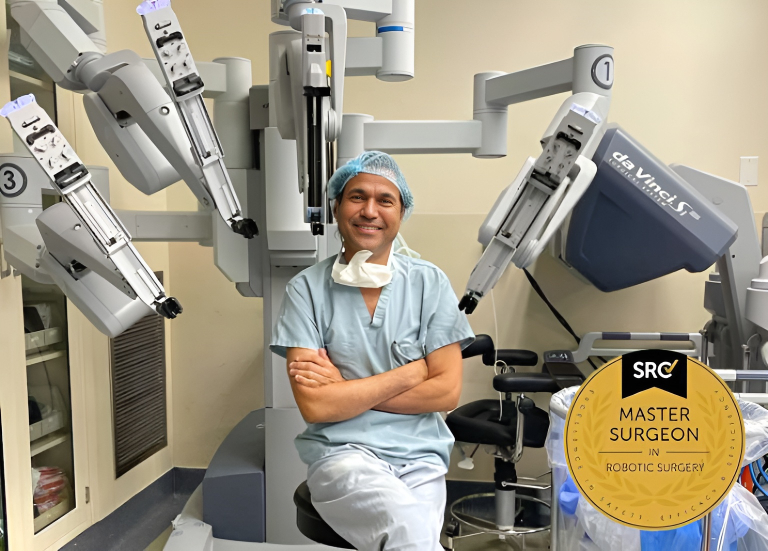
Pankaj Singhal, MD, MS, MHCM
With over 12 years of experience in both academic and private healthcare, Dr. Singhal has trained more than 45 gynecologic surgeons and fellows in minimally invasive and oncologic procedures. He has pioneered new surgical techniques for endometriosis and laparoscopic surgery, completing more than 5,700 robotic-assisted cases nationwide. Renowned for taking on the most complex cases other centers turn away, Dr. Singhal continues to advance the standard of women’s surgical care.